Order: Instruction · Family: Drum Set
Lessons
The specimen arrives. We observe its current state, identify what it's working toward, and chart a course. Clear goals, honest feedback, and a practice plan that holds up in the wild. Joy and discipline are not competing species; they evolved together.

Remote Observation · Zoom
Phone or laptop camera; a stand is helpful but not required. Headphones recommended. Two angles is ideal; one still yields sufficient data. Setup is quick. We get to the music faster than you'd expect.
Observed worldwide · All time zones
Field Study · New Zealand
Specimen currently roosting in Doubtless Bay, Far North. Local students in the Doubtless Bay, Kaeo, and Kaitaia area are welcome. Monthly forays to Whangarei; Auckland every other month.
Northland · Whangarei · Auckland
All Variants Accepted
From "never touched a drum" to "I gig but feel stuck." No preset curriculum; every lesson is built around your actual goals. We construct the next layer of capability, not random exercises.
Ages 6–80 · Beginner to advanced
Genus: Documented Behaviours Under Study
Sound & Control
Hands and feet that execute the intended motion. Consistently. Under pressure. In time.
Time & Feel
Subdivision, pocket, and groove; the kind that holds up when other musicians are involved.
Independence
Four-limb coordination developed in stages. The panic is a known side effect. We work through it.
Reading
Charts, roadmaps, counting systems, and the composure to use them in real situations.
Vocabulary
Fills and patterns catalogued and deployed in service of the music, not at its expense.
Styles
Rock, pop, progressive, singer-songwriter, and core fundamentals. Bring songs you love; they make better specimens than abstract exercises.
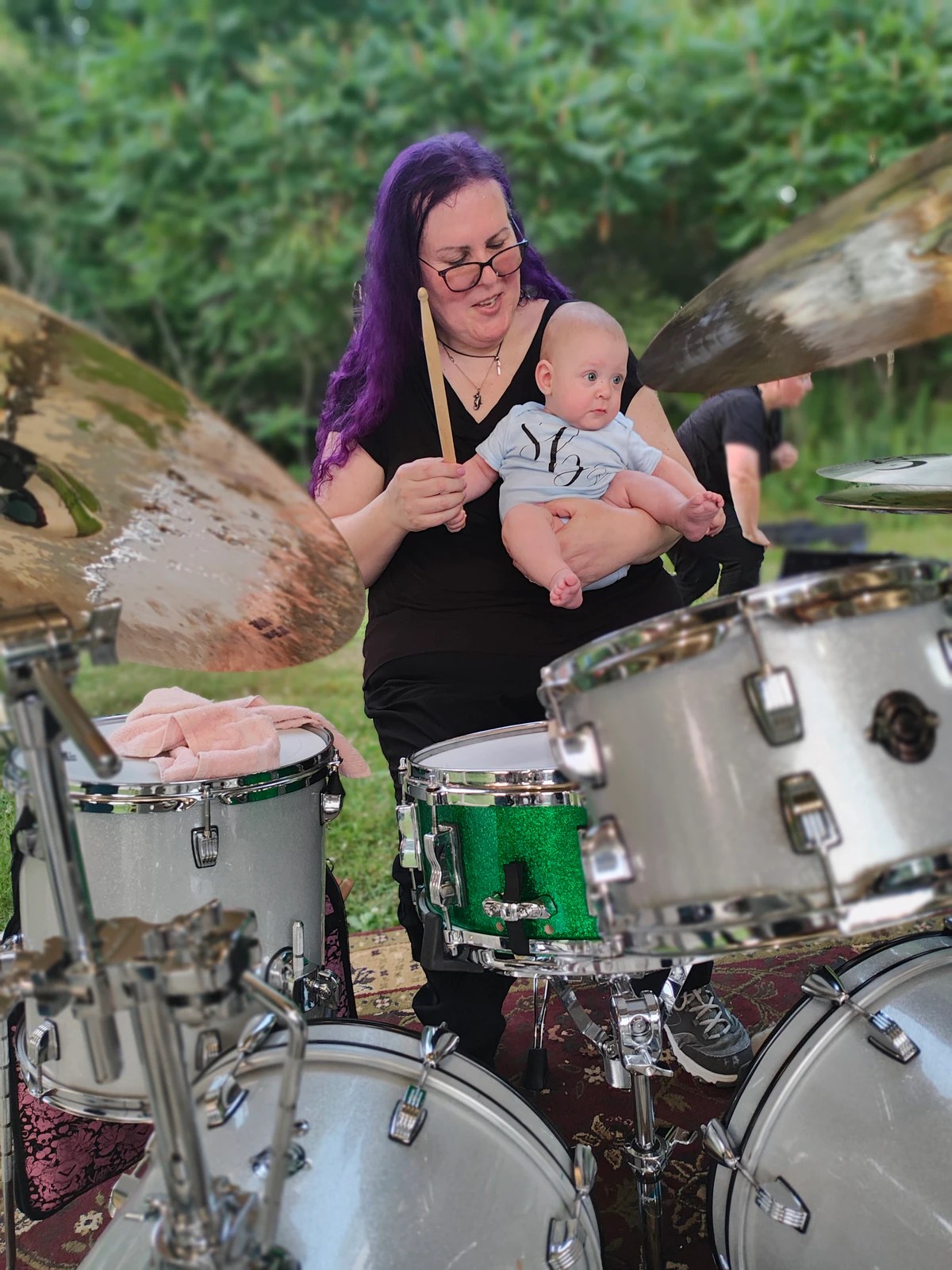
Species: Educator · Performer · Bird of Undetermined Order
About Penny
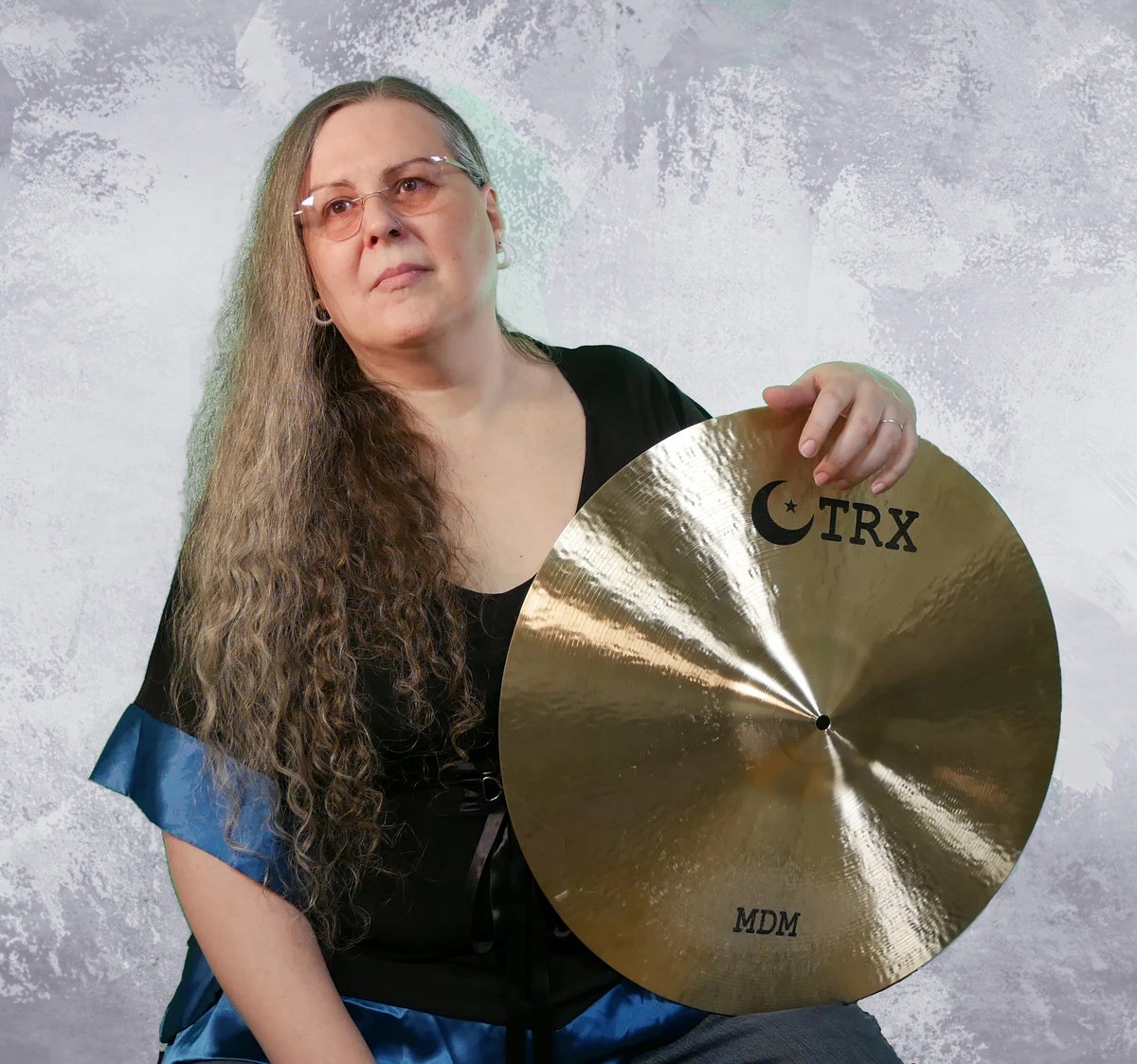
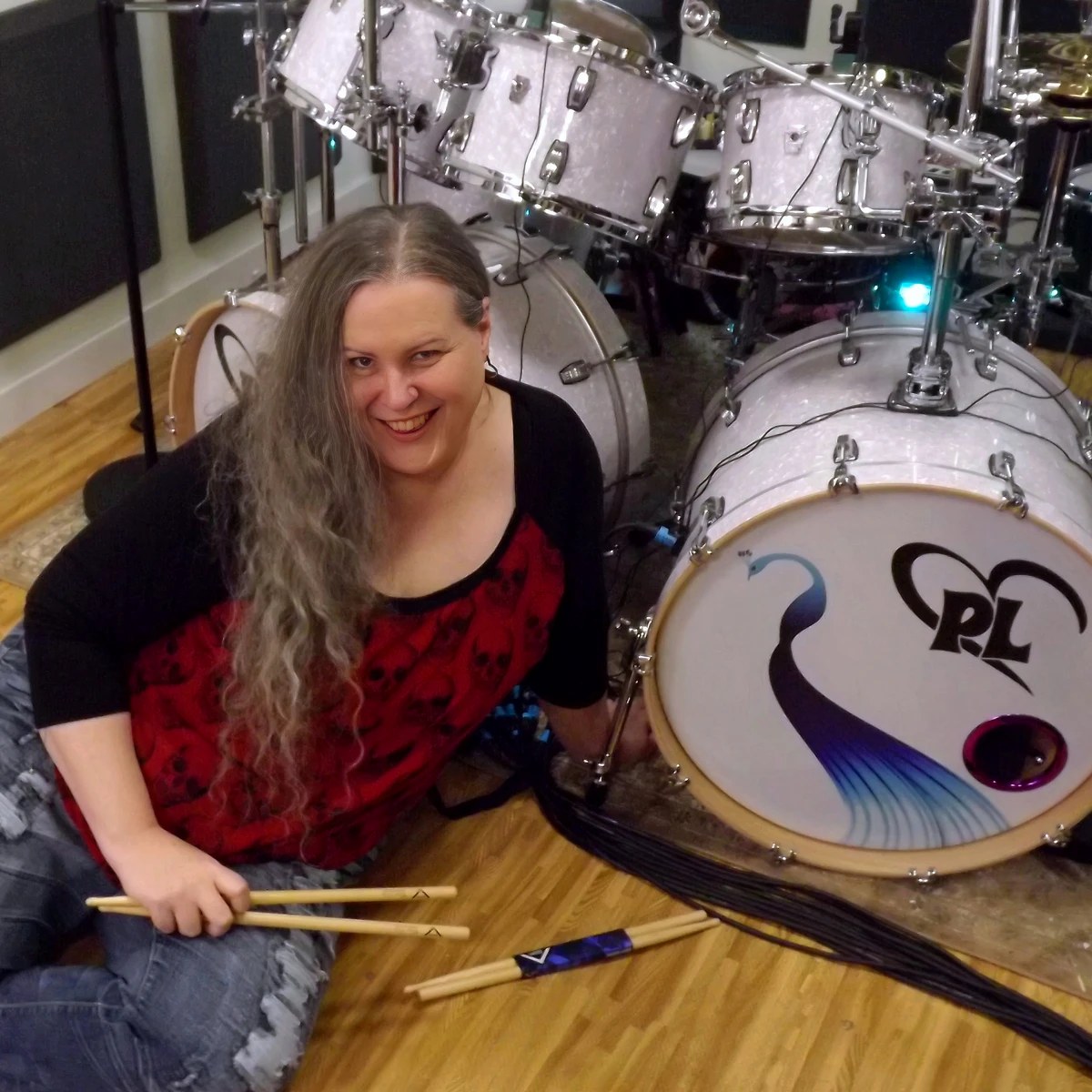
First observed at the drum kit at age three. Began teaching at sixteen. Fifty-plus years of fieldwork in performance and forty-plus in instruction have produced a fairly detailed picture of what actually works; and what the guides got wrong.
Founding member of the instrumental progressive rock trio Hypaspace; four studio albums, tours of the United States and Canada, classification disputed. Also recorded and toured with singer-songwriter Bryan McPherson, and spent years as staff instructor at DiCenso's Drum Shop, where students arrived in all states of disarray and left considerably more organised.
In 2019, claimed the Hit Like a Girl 40+ Championship and performed at PASIC as part of the contest showcase. Range and habitat: drum corps with the Sancians in the 1980s, jazz fusion, progressive rock, big band. Observed influences include Billy Cobham, the Dixie Dregs, and Miles Davis's electric period; a period the mainstream field guides consistently misfile.
Currently roosting in Doubtless Bay, Far North, New Zealand, with confirmed sightings across New Zealand, Australia, the US, the UK, and points beyond. Distribution made possible by Zoom.
Nearing completion of a degree at Berklee College of Music, on track to graduate cum laude. Academic taxonomy; itself suitably disputed; includes drum set studies in jazz, funk, progressive rock, and rock, alongside music and neuroscience, orchestral percussion, traditional composition, scoring, orchestration, harmony, and arranging.
Students observed across all ages and learning styles, including autistic students and students with learning disabilities and other learning differences. The field guide is wrong about learners too: no two musicians develop in quite the same way, and a lesson plan that pretends otherwise is working from a bad edition.
Phylum: Gear Endorsements
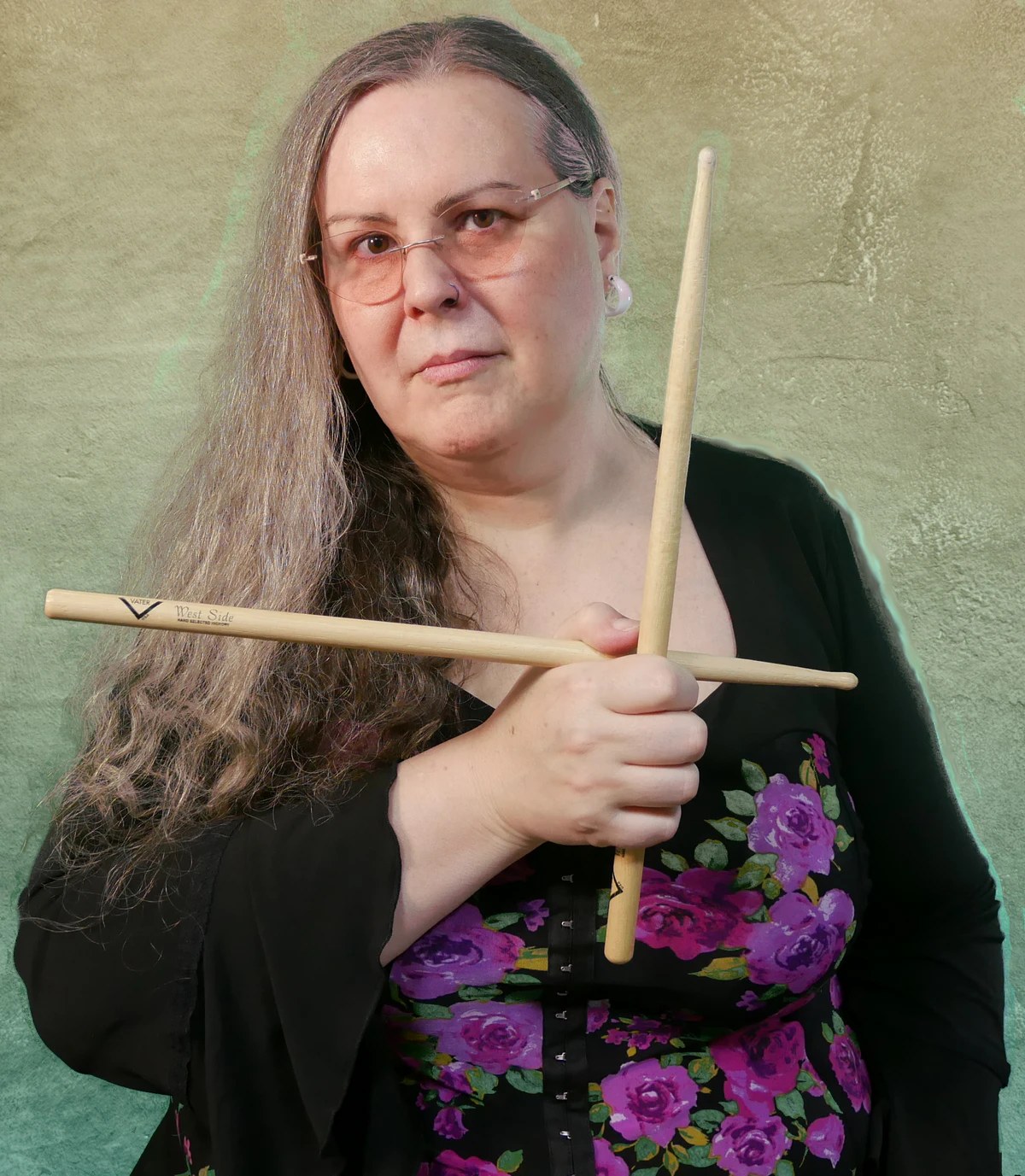
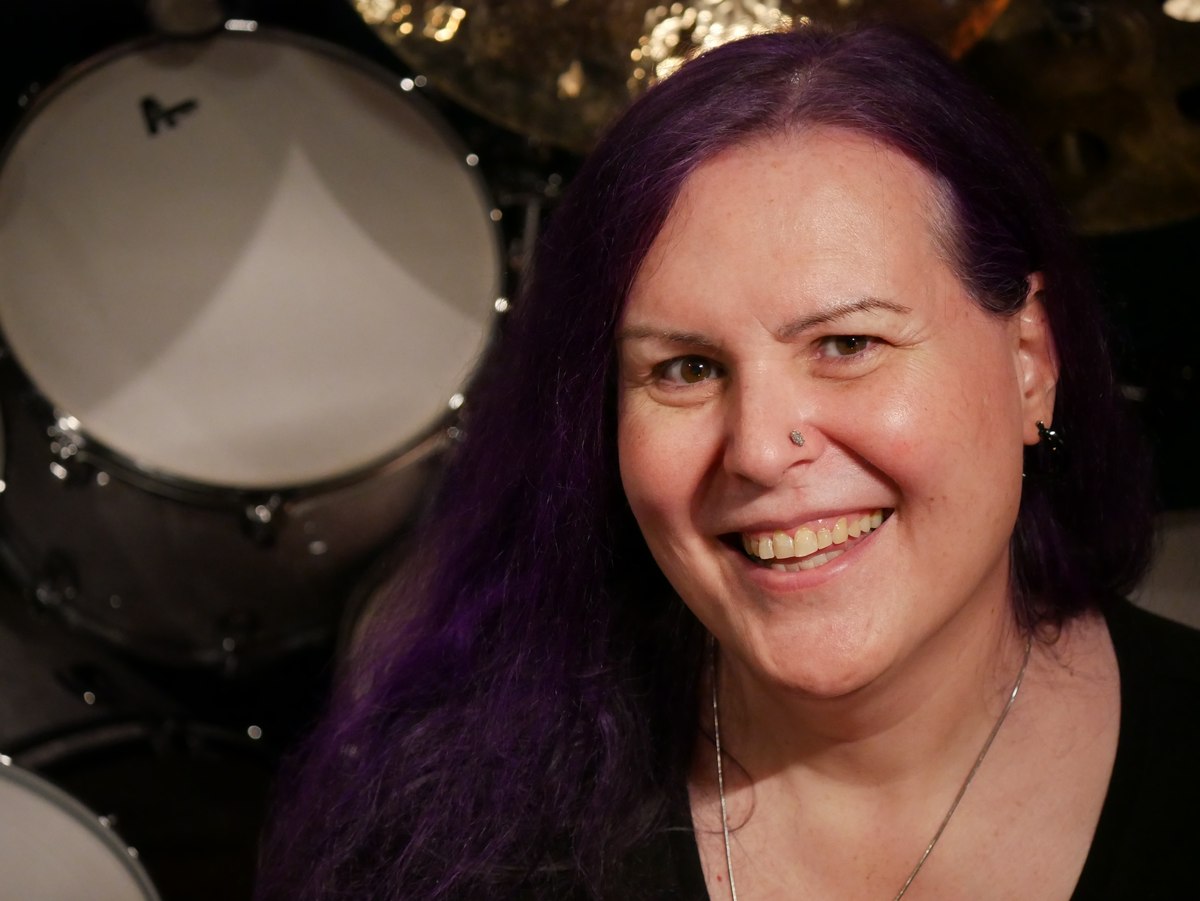
Press kit, high-res assets, or gear relations enquiries: the current field dossier.
Class: Pricing · Order: 45 Minutes
Rates
One session length. Two regional rates. A 45-minute lesson is long enough to make measurable progress and short enough to maintain specimen focus throughout.
Payment details confirmed at time of scheduling. Frequency, packages, and other variables are open questions; raise them in your first message.
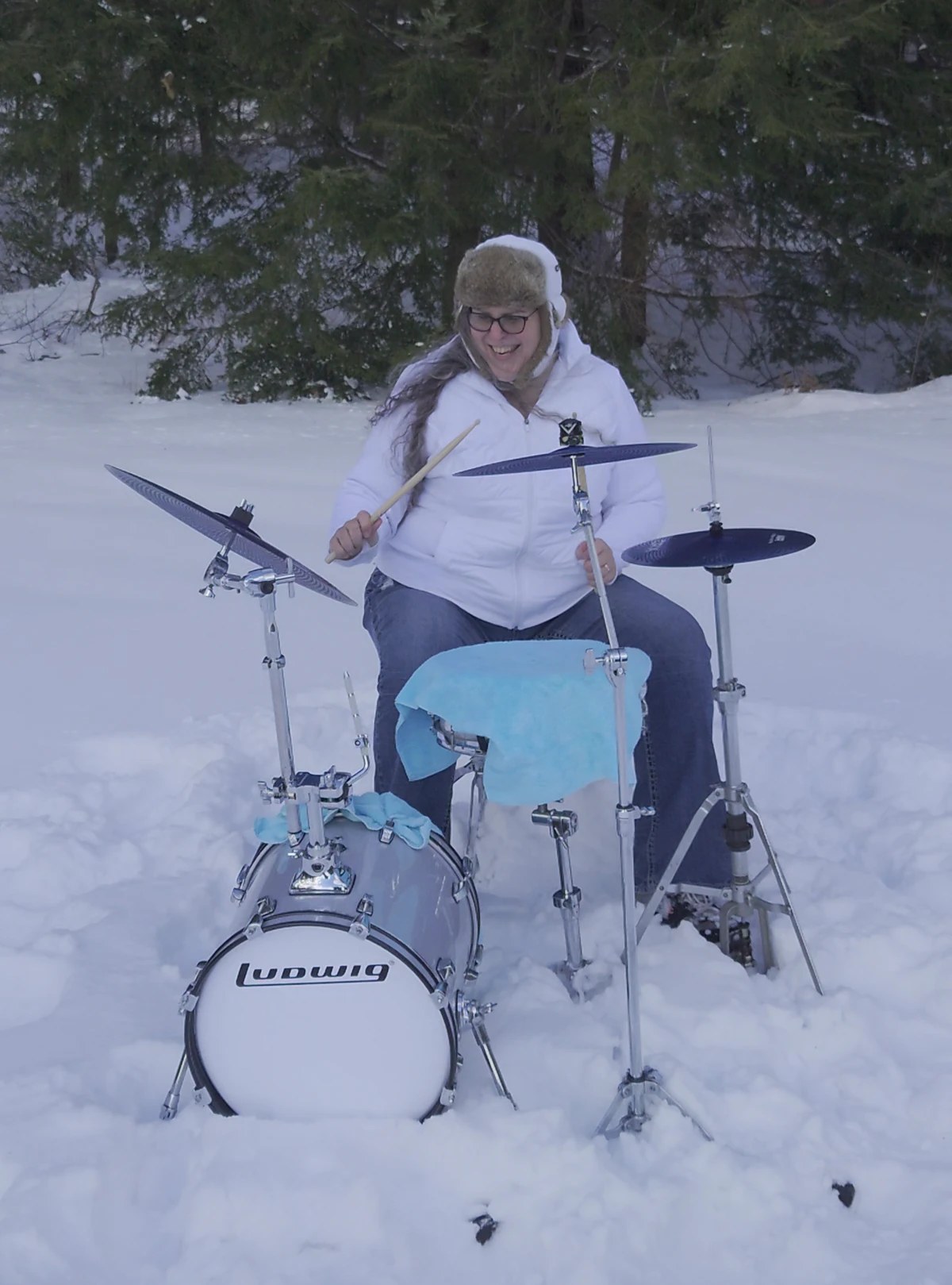
Habitat: Stage · Studio · Occasionally Snowdrift
Field Notes
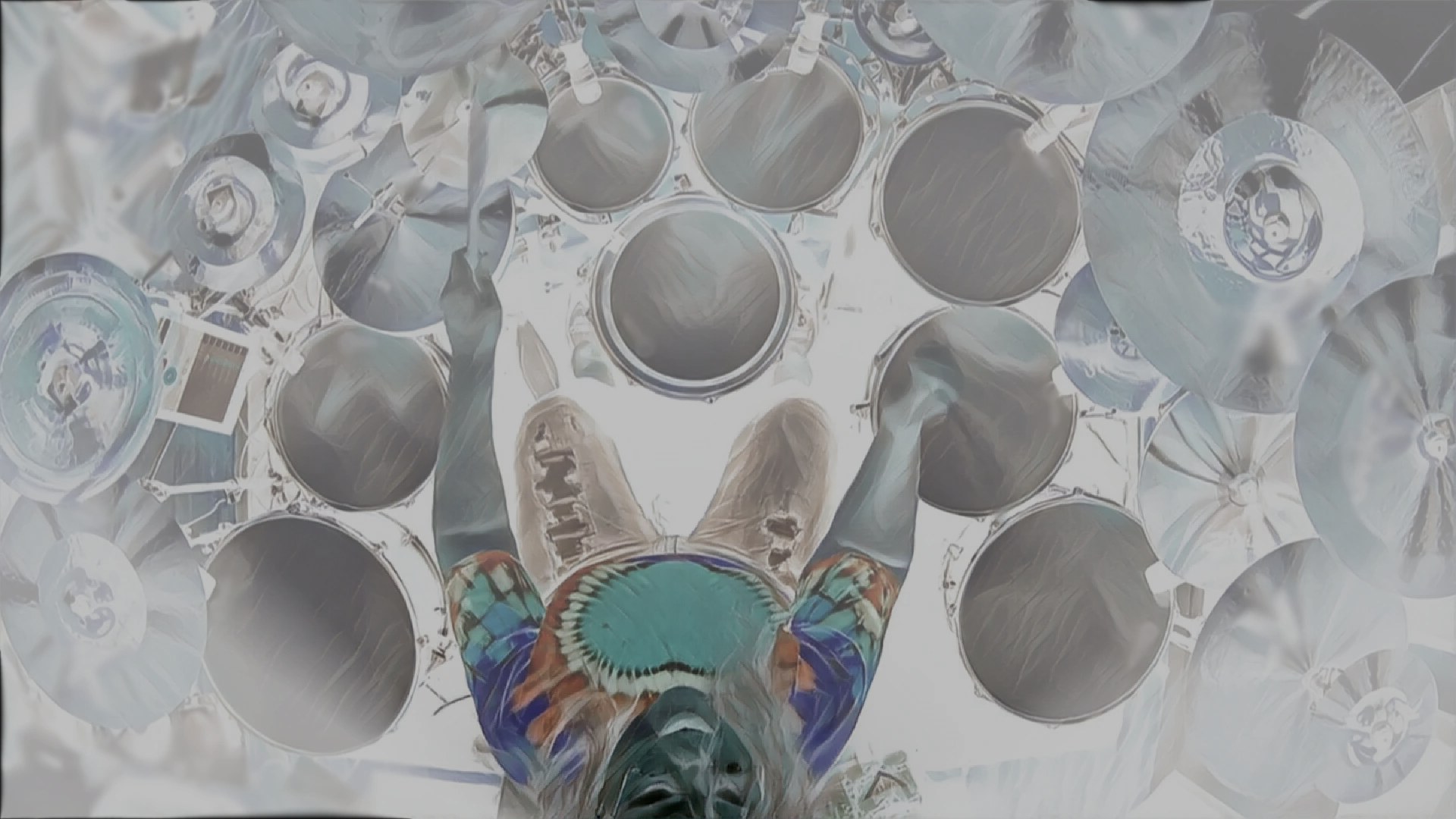
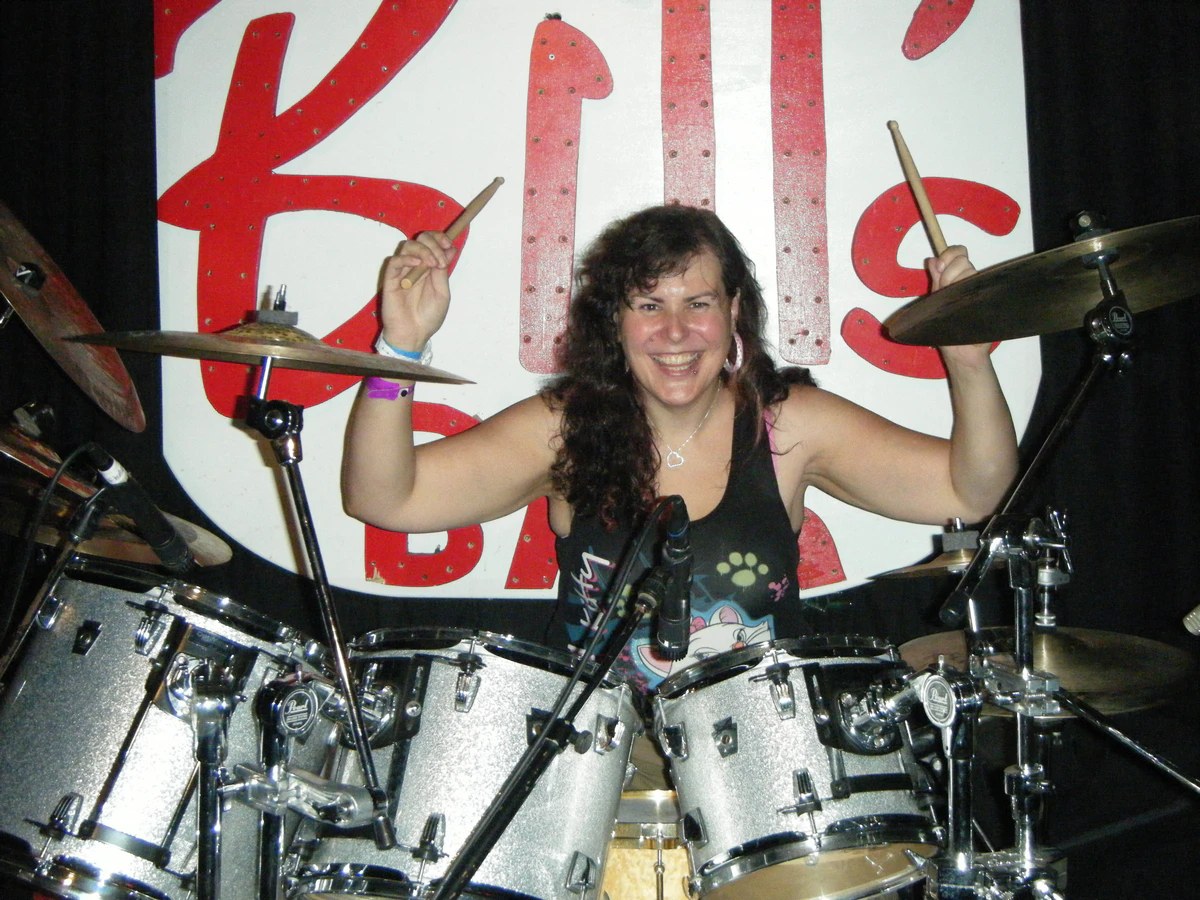
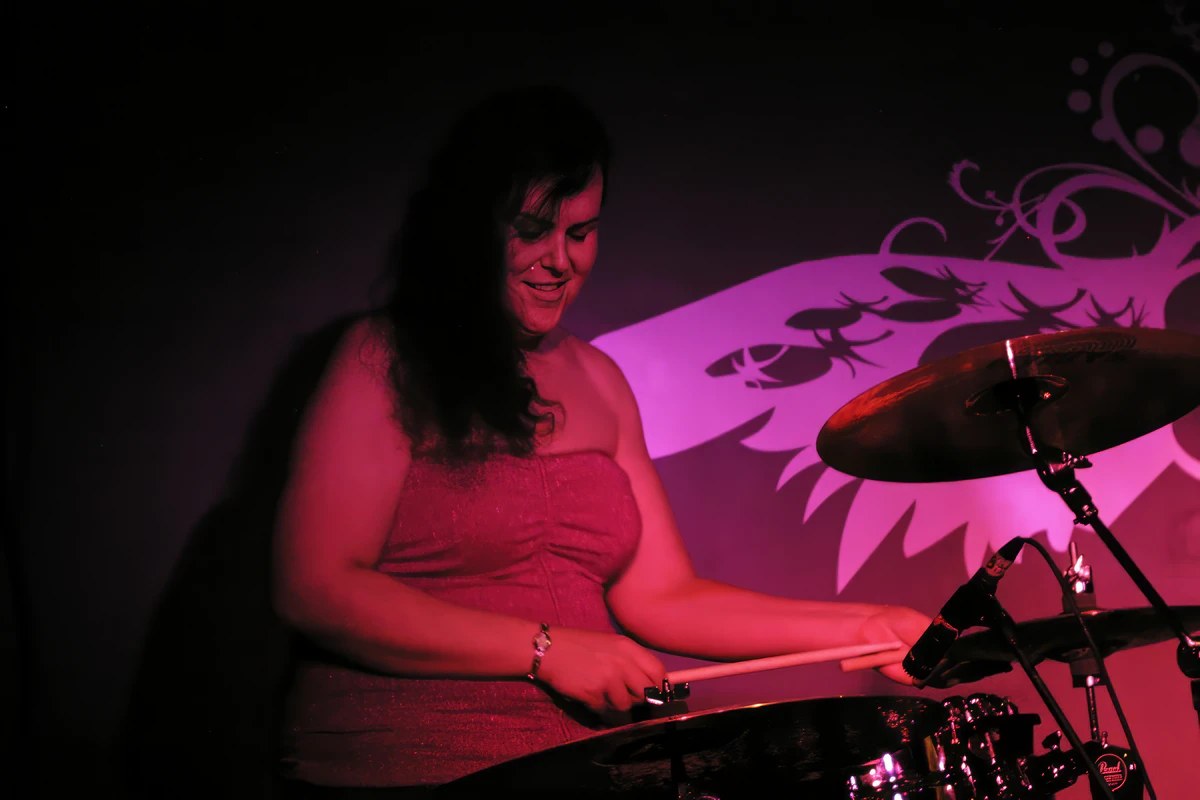
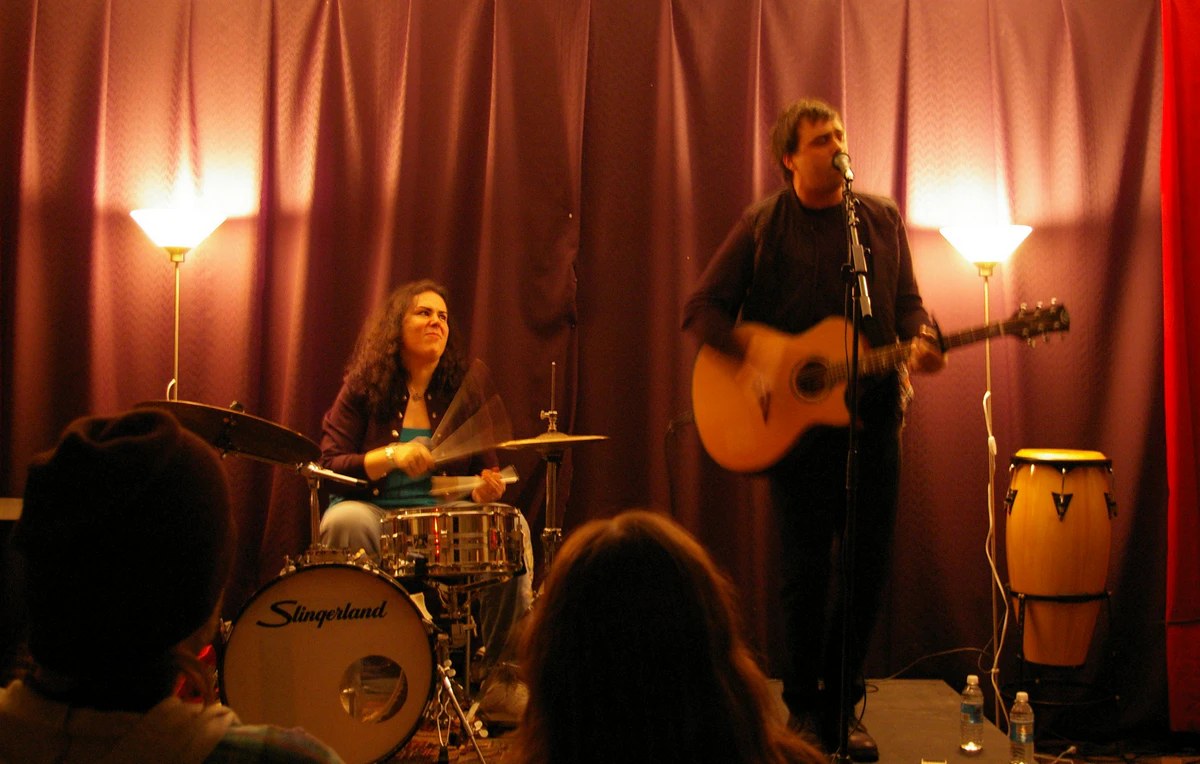
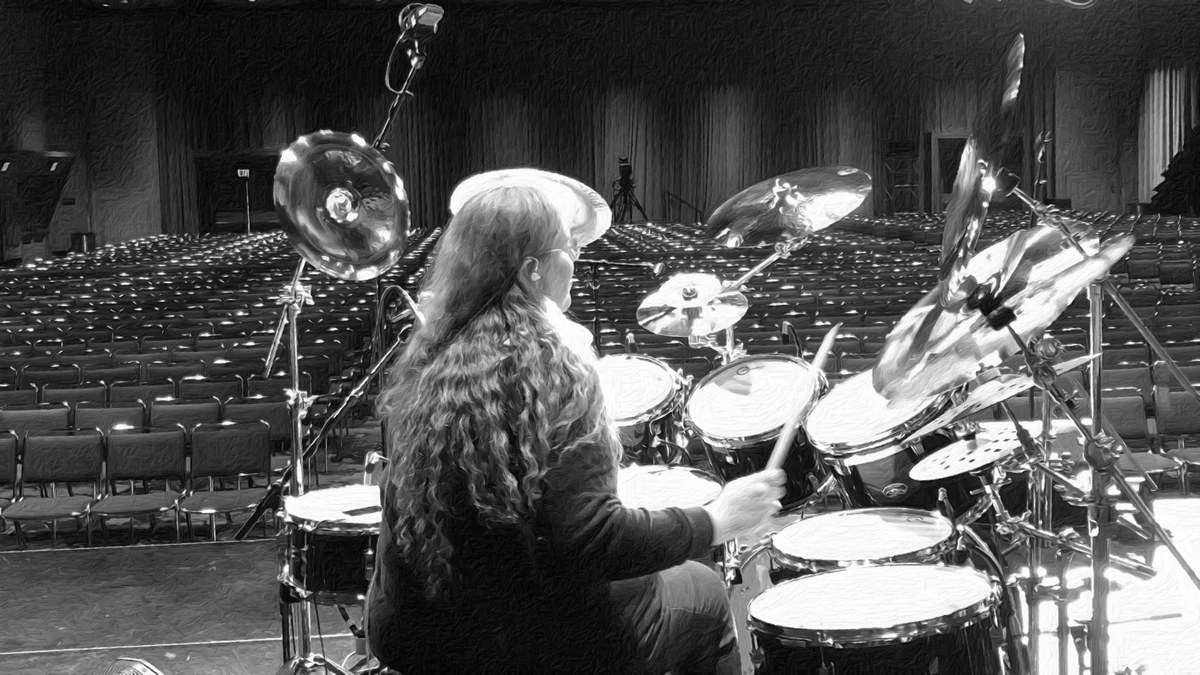
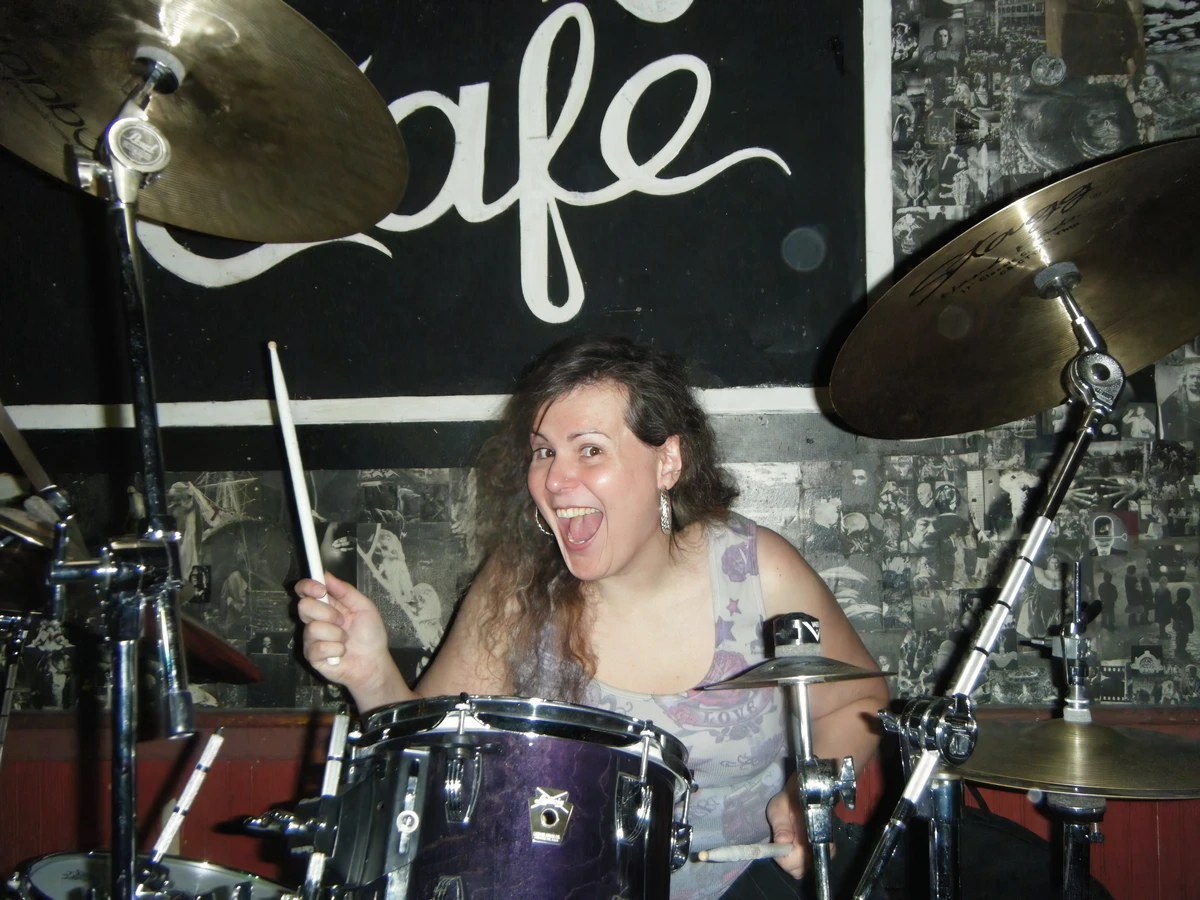
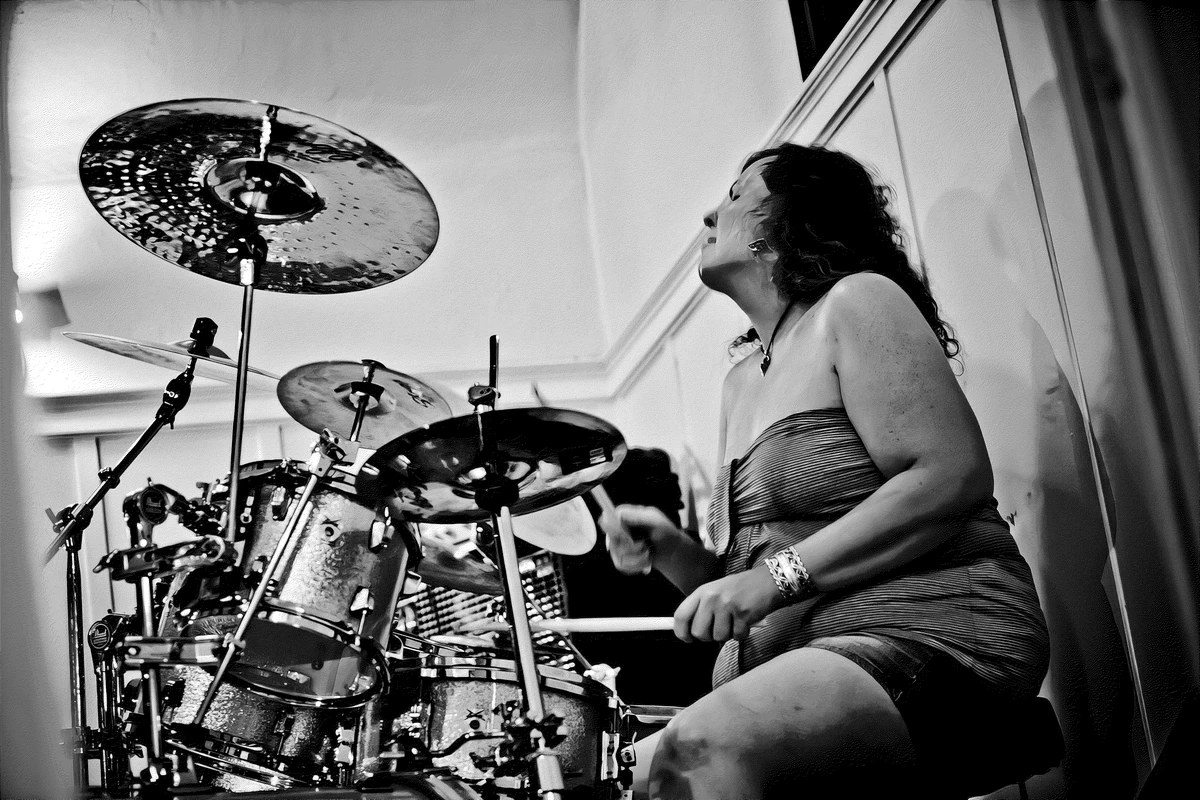
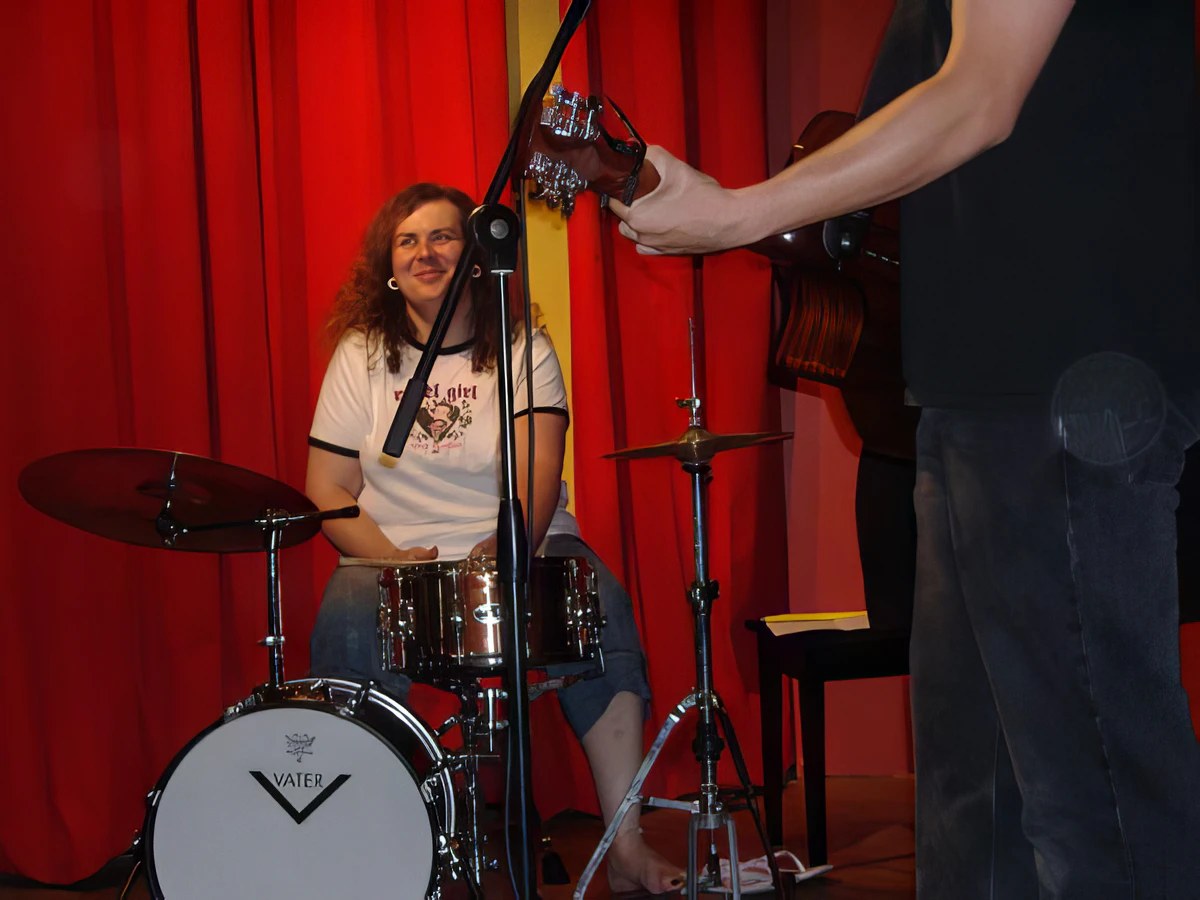
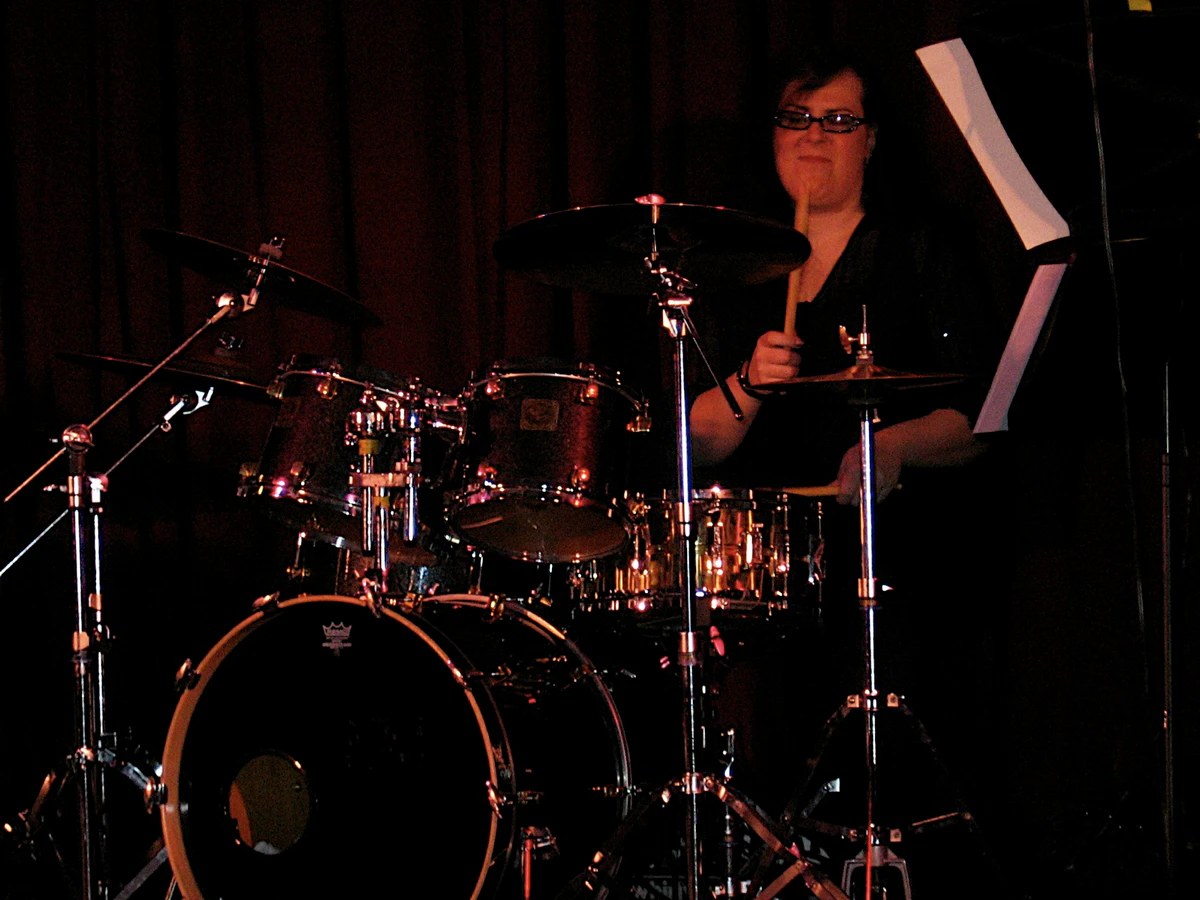
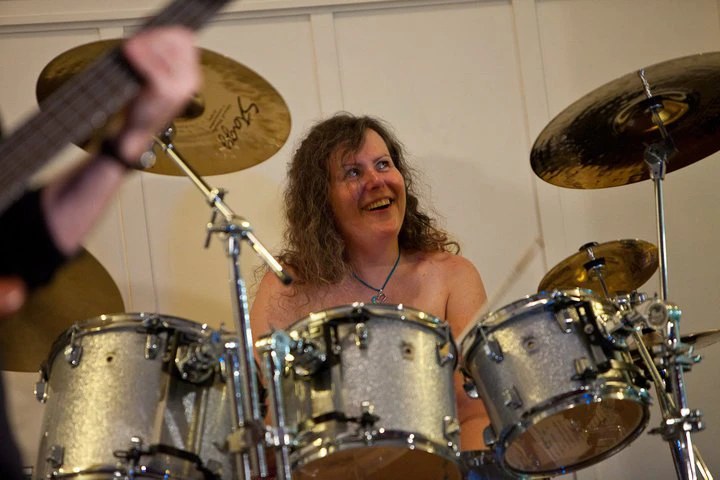
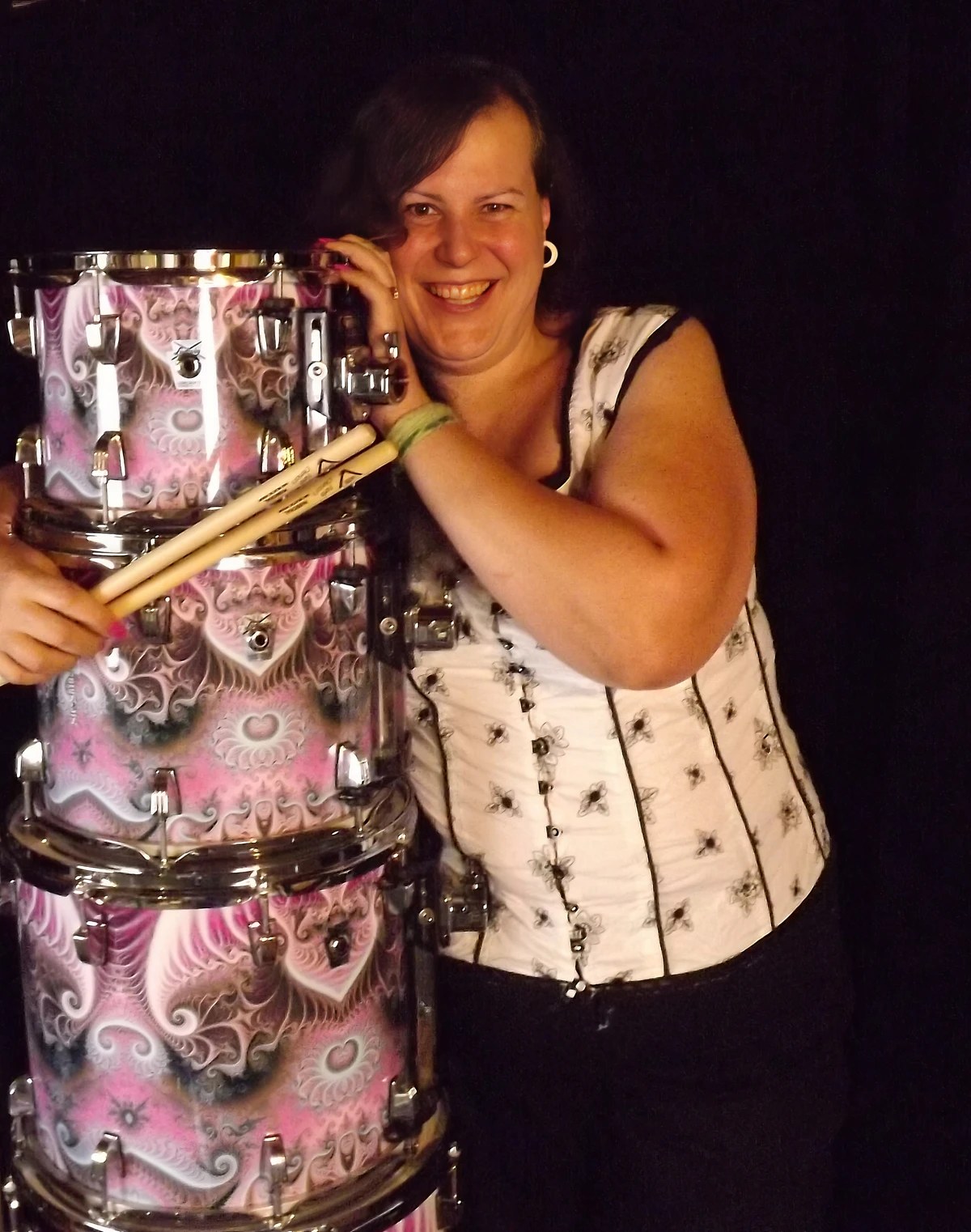
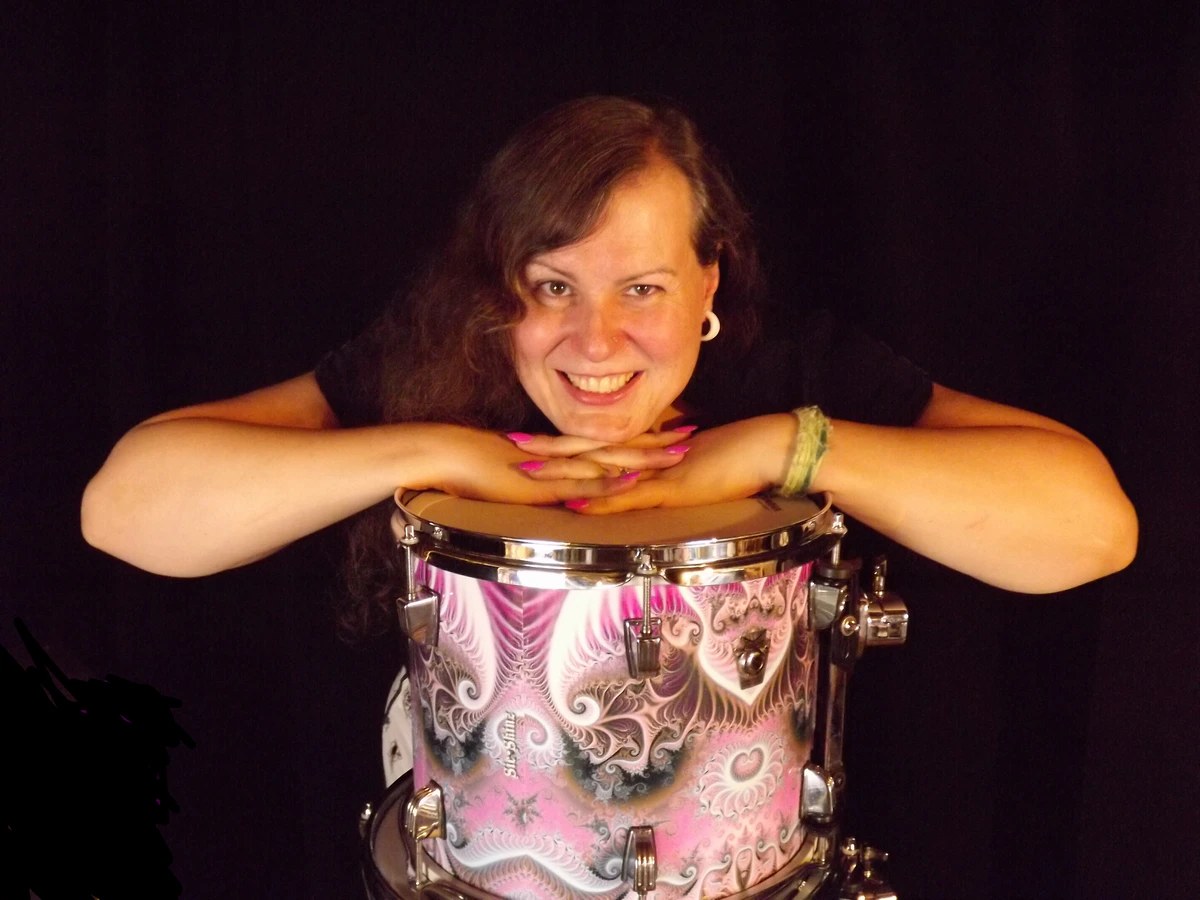
Photographic evidence collected across multiple decades and habitats. The taxonomy of what's happening in these images remains, as always, open to interpretation.
Catalogue: Recorded Works · Field Documentation
Discography
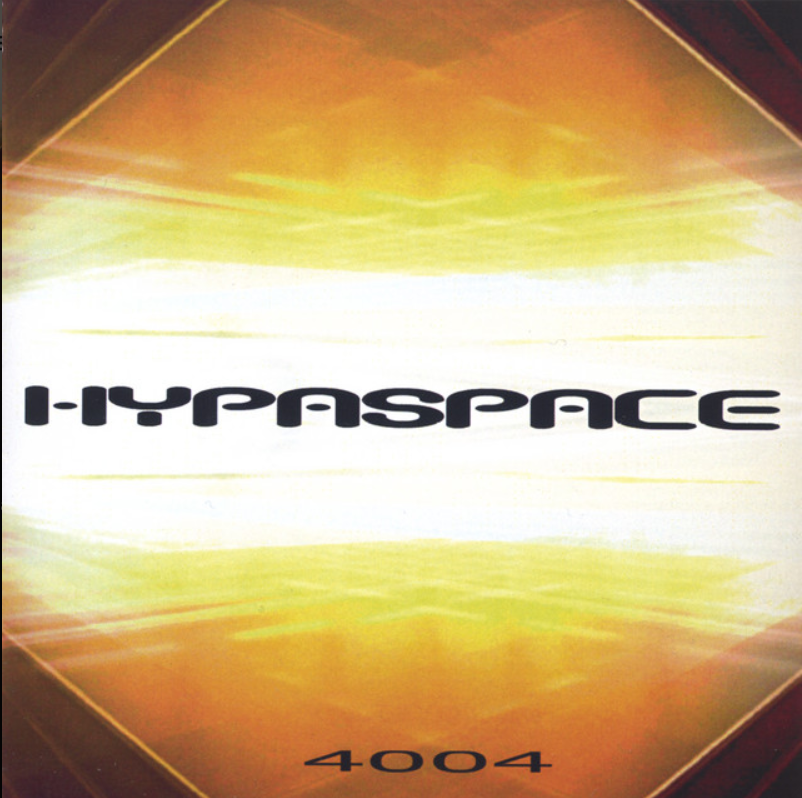
Audio evidence. Listen to confirm the groove is not, in fact, in dispute.
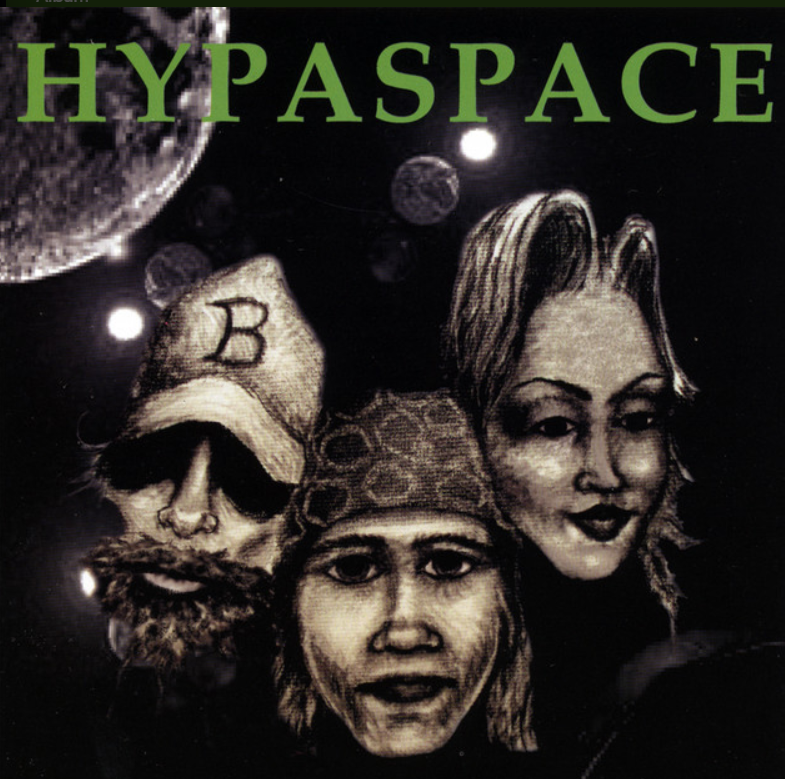
Hypaspace


Bryan McPherson

Broadcast Range: Video · Moving Field Evidence
On YouTube
Performances, lesson content, and listening recommendations; all in one place. Subscribe to the channel or dive straight into a playlist.
Live Performances
Field recordings from stages, sessions, and showcases; documentary evidence that the groove is not in dispute.
Watch the playlist →Your First Drum Lessons
A structured introduction to the drum set for complete beginners. The field guide to getting started; this one is accurate.
Watch the playlist →Recommended Listening
Albums worth your time; curated by a drummer who has spent fifty years figuring out what actually matters.
Watch the playlist →Appendix: Common Queries · Frequently Fielded
FAQ
Do you teach beginners?
Yes. Beginners are the most interesting specimens; everything is still being formed. Strong fundamentals first, then put to work in real music. You won't leave a lesson unsure what to practice.
How do online lessons work?
We meet on Zoom. Phone or laptop camera is fine; I'll help establish a useful angle quickly. Every session ends with concrete targets and a clear field assignment for the week.
Do I need a full drum set?
No. A practice pad is a perfectly adequate habitat to begin in. Many students spend months there before graduating to a full kit. The fundamentals transfer completely.
What styles do you teach?
Rock, pop, progressive, singer-songwriter, and core drum set fundamentals. Bring songs you love; they make far better specimens than abstract exercises, and the technique transfers anyway.
What ages do you teach?
Ages 6 to 80. The field guide is wrong about when it's too late to start. Lessons adapt completely to where you are; no two students develop along the same trajectory.
Are in-person lessons available?
Yes; primary range covers Doubtless Bay, Kaeo, and Kaitaia in Northland. Monthly forays to Whangarei; Auckland every other month. Get in touch and we'll coordinate around an upcoming visit.
How do time zones work?
Include your time zone in your first message and I'll propose windows that work across both habitats. Students currently observed across multiple continents; viable options exist.
What do I need for a Zoom lesson?
A device with a camera, Zoom installed, and your instrument. Headphones improve the audio considerably. Two camera angles is the ideal configuration; one is entirely sufficient to begin.
Field Observation: First Contact
Begin Observations
Describe your current habitat and where you'd like to migrate to. I'll respond with next steps and scheduling options; typically within a day or two of initial sighting.
lessons@pennylarson.comFOR ACCURATE FIELD IDENTIFICATION, INCLUDE:
- Your time zone
- Current experience level (novice, intermediate, active performer)
- Two or three preferred observation windows
- Whether you're seeking remote or in-person study